
INSIGHT
More Than Residences
Managing shared spaces, hospitality, and amenities within one operating standard.
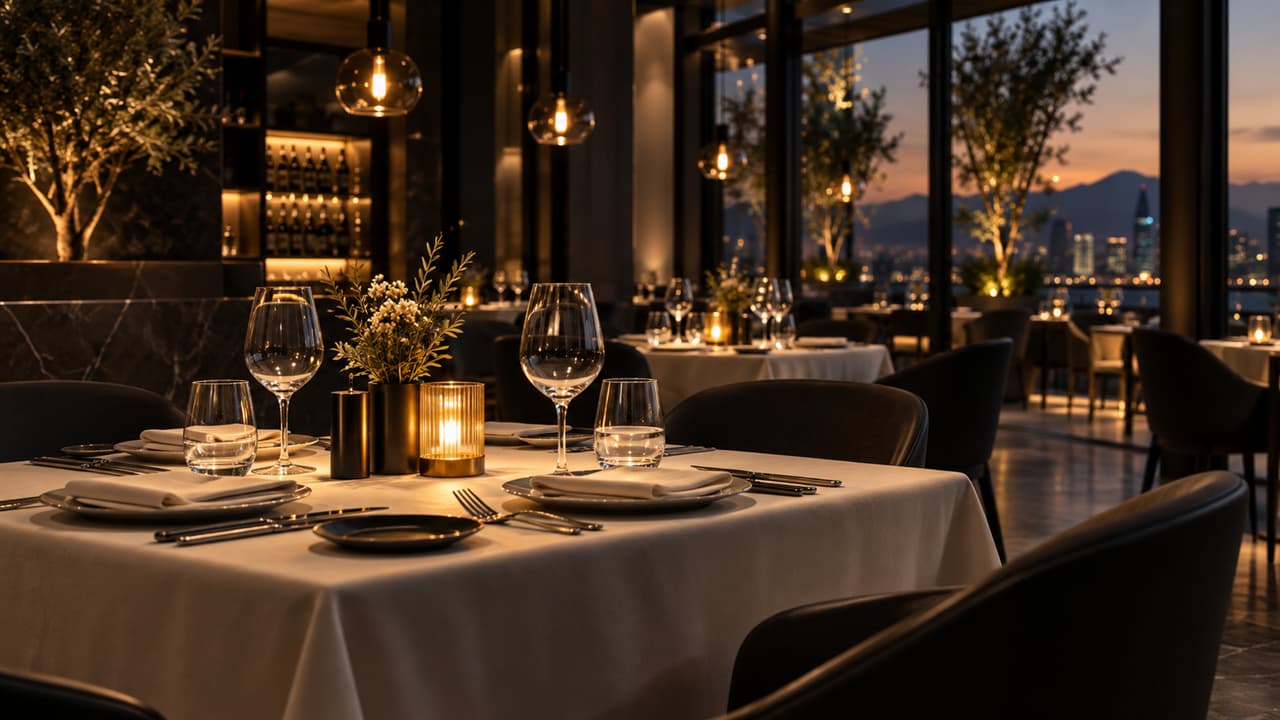
Modern residential communities are becoming much more than places where people sleep.
Many now include restaurants, pools, gyms, lounges, gardens, clubs, hospitality services, entertainment spaces, offices, and other amenities.
Others combine residences with retail, hotels or commercial activity.
That changes the way the development needs to be managed.
A property may look like one destination from the outside.
Inside, it can contain many different operating environments.
Every space has its own purpose
A residential lobby and a restaurant do not operate in the same way.
Neither does a swimming pool.
Or a gym.
Or a private club.
Or a service area.
Trying to manage them all with identical rules makes little sense.
Some spaces may be open to residents and their guests.
Some may allow visitors under particular conditions.
Others may be strictly residents-only.
A restaurant may welcome outside customers.
Another venue inside the same development may be private.
There is no single model that fits every property.
The important thing is that management understands these differences and establishes clear rules around them.
Complexity often grows quietly
The challenge is that developments rarely become operationally complicated overnight.
It happens gradually.
- A restaurant opens.
- A new amenity is added.
- A valet service begins.
- More staff are hired.
- Contractors become more frequent.
- A hospitality component is introduced.
- Another building opens.
Each change makes sense individually.
But after several years, the property may find itself relying on separate processes, separate systems, and informal coordination between departments.
Residents see one community.
Management may be operating ten different ones behind the scenes.
Good coordination should not mean more checkpoints
The answer is not to control every movement.
That would make the property unpleasant to use.
A guest who has legitimately entered the community should not necessarily be stopped again every time they move.
If the community allows them to visit a restaurant or use a particular space, the experience should remain natural.
Where an area has its own restrictions, however, those rules still need to be respected.
The distinction is important:
Control should exist where the property's policies require it, not simply because control is technically possible.
That creates a better balance between security and hospitality.
Operations should support the experience
Residents rarely think in terms of departments.
They think in terms of experiences.
- They invite somebody over.
- They go to dinner.
- They use a facility.
- They report a problem.
- They request a service.
They expect the development to work.
The complexity behind those experiences belongs to management, not to the resident.
Well-run communities hide that complexity.
Poorly coordinated ones push it back onto the people using the property through calls, delays, confusion, and repeated requests for information.
The goal is alignment
A modern development does not necessarily need one department managing everything.
It needs its departments and service providers to operate within a clear structure.
- Security should understand its responsibilities.
- Hospitality teams should understand theirs.
- Amenity rules should be clear.
- Service providers should know what is expected.
- Management should have visibility across the areas that matter.
The individual operations can remain different.
They simply should not feel disconnected.
That is especially important for premium communities.
Beautiful architecture may attract people to a development.
But the quality of everyday operations determines how living there actually feels.
A modern community therefore needs more than impressive facilities.
It needs those facilities, people, and services to work in harmony.